
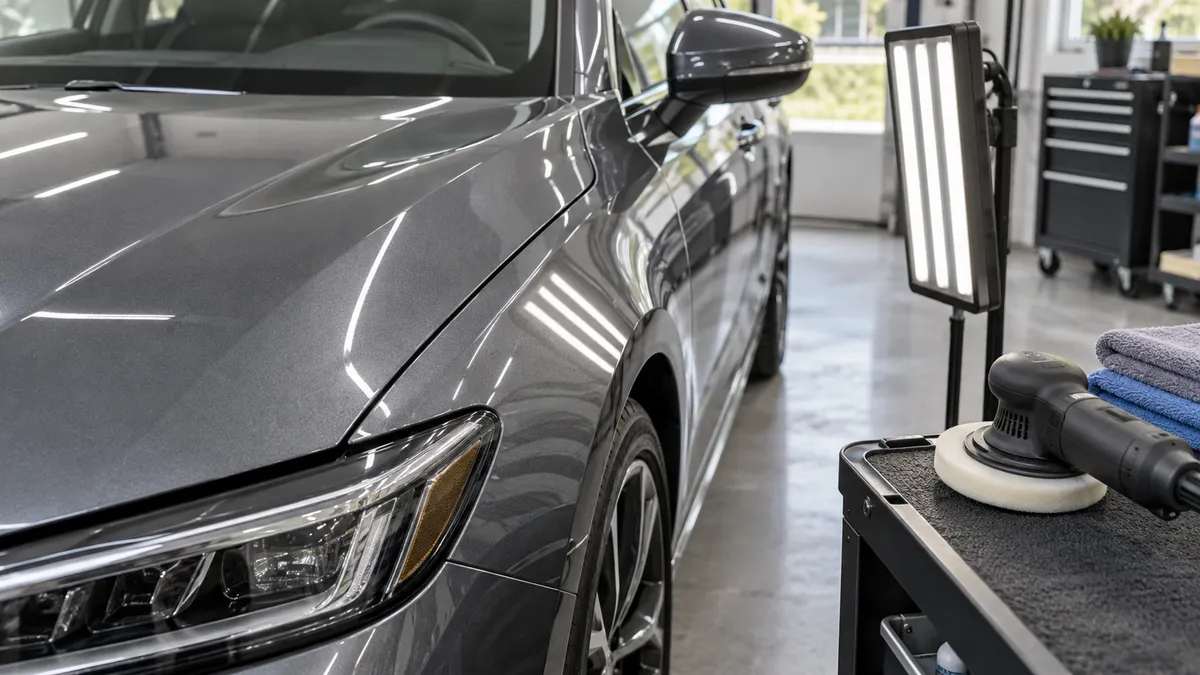
Paint Correction for Ceramic Coating
Compare real preparation scopes before ceramic coating. Separate cleaning, light polishing and correction, then ask an installer what your paint needs.
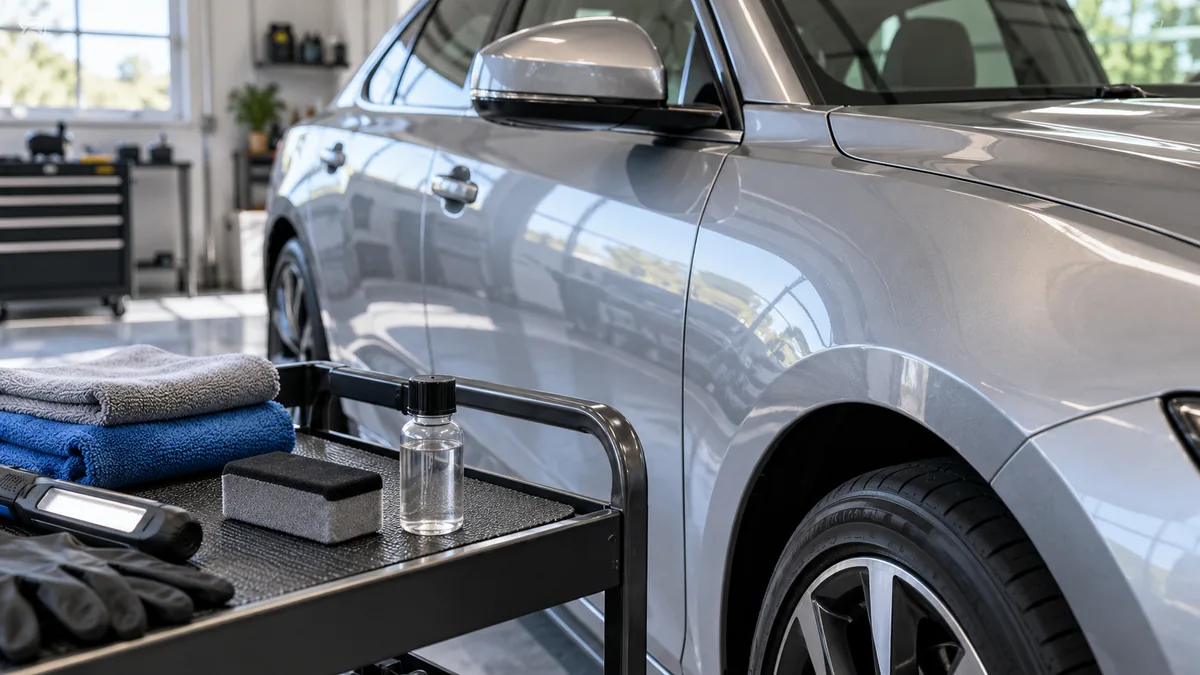
Choose DIY ceramic coating when you can prepare the paint, meet the named product's application conditions and take responsibility for correcting application mistakes. A professional package is worth comparing when you need assessed paint correction, suitable premises, application work or written service terms.
Compare the exact work and product. A bottle price and an installed package price buy different things, and the DIY/professional labels do not establish a universal lifespan difference.
Start with the paint preparation and correction comparison. A coating kit does not specify which defects you want corrected or the work needed to reach that finish.
| Decision | DIY route | Professional route |
|---|---|---|
| Paint condition | Assess the finish and decide which preparation you can perform | Ask for an assessment and written correction scope |
| Product | Choose a consumer-accessible product and read its instructions | Obtain the exact product/version in the quote |
| Workspace | Arrange the temperature, light and dry period the product requires | Confirm the installation and curing location |
| Spending | Include coating, supplies, equipment, hired preparation and later care | Include installation, agreed extras, tax and recurring service |
| Application mistakes | Understand the correction procedure before starting | Ask who handles high spots or workmanship defects |
| Warranty | Check whether your application qualifies for any product coverage | Obtain applicable registration, exclusions and service requirements |
On October 11, 2026, we compared CARPRO's CQUARTZ UK 3.0 page with Premier Plus Detailing's Orlando-area packages. CARPRO calls UK 3.0 consumer-grade; the installer also lists it among its coating products and advertises a Level 1 package from $1,600 with decontamination and a light polish.
This comparison does not price an equivalent DIY job. It shows why paying a professional can mean paying for preparation and installation of a consumer-accessible product, rather than necessarily buying a different class of chemistry. Confirm the exact product in your chosen package.
The Orlando installer comparison records the selected package sources and their limitations. We did not apply these products, visit the shops or obtain personal quotes.
If a kit is sold as graphene, check its exact application instructions rather than assuming extra working time. Our graphene and ceramic comparison examines named products and their published conditions.
Manufacturer instructions differ. Two examples reviewed on October 11 make the workspace decision concrete:
The high-spots guide compares wipe-off directions across five sources, including a version change that makes older instructions unsuitable as a default. Read it before deciding which application work to take on.
A driveway may therefore suit one product's instructions and fail another's requirements. Check the weather, shade, lighting and where the vehicle will remain during curing. These examples are not a complete application manual; use the current instructions and safety information for your product.
If the available workspace cannot meet them, postpone the job or compare an installer with appropriate premises. Mobile detailing availability alone does not confirm that a shop applies coatings outdoors or at your address.
List the supplies you own and the items you need: product, compatible preparation materials, applicators, towels, inspection lighting and any polishing equipment or hired correction. Keep your time separate from cash spending rather than treating it as free or assigning everyone the same hourly value.
Request a comparable professional quote for the same car, finish and surfaces. Our cost guide and quote worksheet separate known installation, extras and maintenance amounts. A lower spending total cannot tell you whether the work is equivalent.
Itemize unpainted cladding separately. The plastic-trim guide compares three products' preparation and application instructions so you can define that part of a DIY job or professional quote.
Avoid projections that assume one application lasts an arbitrary number of years or a professional route requires no owner effort. Both routes need product-appropriate care.
Compare an installer when the correction required exceeds the work you want to attempt, your workspace cannot meet the instructions, or you want someone responsible for the agreed application work.
In our October 11 comparison, Auto Paint Guard listed light-polish, two-step and full-correction coating options from $1,600, $1,800 and $2,200. The $600 difference between its lowest and highest starting prices shows how preparation changes one shop's offer; it is not a national price estimate.
Use the Tampa comparison to see further advertised scopes. Ask what defects the installer expects to improve, what will remain and whether additional correction needs your approval.
The lifespan guide compares named durability claims rather than assigning all DIY coatings one duration and professional coatings another.
For a professional quote, read the manufacturer's product warranty and the installer's workmanship terms separately. Our warranty guide explains annual service obligations and exclusions. Verify any claimed manufacturer accreditation with the issuer; an imported directory listing does not establish it.
For the benefits question, read whether ceramic coating is worth it. For later care, use the washing guide alongside your product's instructions.
No. The CARPRO/installer example above shows why you should obtain the exact product name. Some systems restrict installation; others are used by both enthusiasts and shops.
Request a paint assessment and agree the finish you want. Vehicle age alone cannot identify the work your particular paint needs.
Ask the installer before starting. Confirm whether it will accept your preparation, what it will inspect or repeat, and how that affects the quote and written terms.
Compare real preparation scopes before ceramic coating. Separate cleaning, light polishing and correction, then ask an installer what your paint needs.

Compare named graphene and ceramic coatings, their advertised durability and application requirements. Choose by product and package, not the label alone.
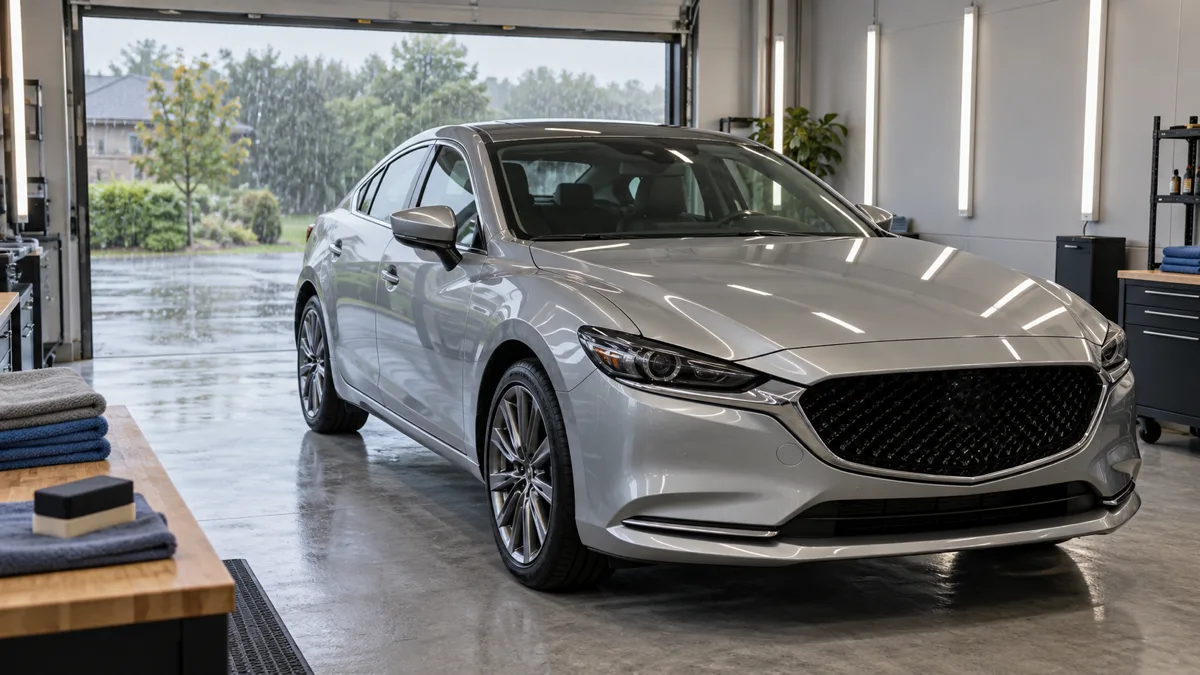
Ceramic coating curing time varies by product. Compare manufacturer rules for water exposure and the first wash, and plan pickup and rain protection.
Get the latest updates on ceramic coating technology, tips, and exclusive offers delivered to your inbox.