

Ceramic Coating Curing Time
Ceramic coating curing time varies by product. Compare manufacturer rules for water exposure and the first wash, and plan pickup and rain protection.

To wash a ceramic coated car, wait for the coating's permitted first-wash date, use an approved shampoo at its stated dilution, remove loose dirt before contact and dry after rinsing. Keep wash tools clean and inspect the surface before deciding whether it needs decontamination or a maintenance product.
Your exact coating and its instructions matter more than a universal wash interval or a "ceramic safe" label. A coating still needs cleaning; adding a booster is a separate decision.
Water exposure, readiness for washing and full curing can have different timelines. Get the exact coating name, installation time and remaining restrictions at pickup.
Koch-Chemie Ceramic Body Cb0.01, for example, specifies weather readiness after at least 24 hours and a first wash no earlier than nine days. The instructions also warn that curing takes longer below 15°C. That example does not establish permission to wash another coating on day nine.
Our curing-time guide compares more published examples. Ask the installer for the permitted response to droppings or insects during the waiting period instead of improvising a spot treatment on a fresh coating.
Choose a product approved for the coating and the cleaning task. pH alone does not tell you whether a shampoo contains added protection, what dilution to use or whether it suits a fresh installation.
We compared these four manufacturer descriptions on October 11, 2026. We selected them to separate routine cleaning, contamination removal, added maintenance protection and base-coating installation. This is a document comparison, not a cleaning test or an endorsement of mixing systems.
| Product and source | Manufacturer's stated role | Decision for a coated car |
|---|---|---|
| CARPRO Reset | pH-neutral shampoo in solution, developed for coatings, without gloss enhancers | A cleaning example. The published dilution is 1:500; follow the bottle's current directions. |
| GYEON Q²M RestartWash | Shampoo for washing and decontaminating coated surfaces without adding protection | A contamination-cleaning example, rather than a spray that covers the surface with added protection. |
| CARPRO Reload 2.0 | Spray sealant originally developed to maintain CQUARTZ coatings | An added maintenance product, not shampoo. Confirm whether and when your coating provider recommends it. |
| Gtechniq Crystal Serum Light | Base ceramic coating in Gtechniq's kit description | Not a wash product or routine booster. Installation is a separate job. |
This distinction helps when a car stops beading: approved cleaning can address contamination, while a sealant can change the exposed surface. Improved beading after adding a product does not identify the original problem.
For a bucket wash, calculate dilution from the actual water volume. CARPRO's published Reset example is 40 mL in 20 L. Do not transfer that quantity to a different shampoo or an undiluted foam-cannon bottle.
Follow your approved product's directions if they differ from this general workflow. GYEON's RestartWash instructions explicitly separate rinsing, diluted contact washing, a final rinse and drying.
Our drying guide compares towel and forced-air instructions, including when a rinse-applied treatment still needs a final wipe.
Before choosing rinse equipment, check our pressure-washer guidance for manufacturer nozzle and distance rules, including separate limits for film.
For coated wheels and glass, get separate product approvals. Paint-care advice does not establish compatibility with a wheel finish or windshield coating.
Matte paint needs its own finish-approved products and care limits. See our matte-paint coating guide before adding wax, a gloss-enhancing booster or abrasive correction to that routine.
If you have no hose at your parking space, our rinseless-wash comparison separates the washing methods and converts three published product instructions into measured bucket recipes.
Set the routine around contamination, exposure and the coating's care requirements. A garage-kept vehicle and a daily driver exposed to road film need different attention. Keep mandatory inspection dates in view, but do not substitute a fixed two-week wash rule for the condition of the car.
For insect residue on the front bumper, our bug-remover comparison checks three manufacturers' dwell and finishing instructions. Confirm the exact product before borrowing a timer or removal method from another cleaner.
Ask for an approved spot-cleaning method for droppings, insects and other deposits between washes. Our bird-dropping removal guide compares manufacturer directions, including when rinsing is required and when a remaining mark needs inspection. If you notice mineral marks, follow the water-spot guidance and the exact remover's compatibility instructions.
For driving on treated winter roads, our ceramic coating and road-salt guide separates coated-paint care from underbody and wheel-housing cleaning. Check what the wash actually includes before booking.
Check the coating provider's restrictions and the wash's actual process. Ask about brushes, products, added waxes and drying methods before using it. A touchless label alone does not tell you which chemicals are used or whether they are approved for your coating. Our automatic-wash comparison contrasts three manufacturers' directions and lists the checks to make before buying a wash pass.
Do not assume every acidic or alkaline cleaner destroys every coating, or that all products advertised as ceramic-safe are interchangeable. For a problem that needs stronger treatment, obtain an approved product and method for that contamination, coating and surface.
For sticky deposits beneath trees, our tree-sap removal guide compares sap-specific advice with current product instructions and explains when to stop treating a remaining mark.
For road-tar spots that remain after washing, see our guide to tar remover on ceramic coating. It compares named products and explains why a coated-paint claim does not automatically cover adjacent film or trim.
For suspected brake-dust or rail-dust deposits, our iron-remover comparison separates coating approval, metal exclusions and product-specific reaction times.
Before abrasive clay or polishing, ask whether the coating needs professional assessment. Our clay-bar decision guide compares the product instructions and questions to resolve first. Those steps are not routine substitutes for shampoo, and corrective work should account for the installation and warranty.
Use a maintenance product when the coating's instructions or installer specify it. GYEON CeramicDetailer is a named maintenance product for coated vehicles; it is not a replacement coating. CARPRO's Reload is another product with a specific maintenance role.
Clean and assess first. Our not-beading guide separates contamination checks from added protection, and the wax-over-coating guide explains why compatibility depends on the exact products.
Follow its approved maintenance system. There is no universal wax or monthly-booster requirement in the compared products. Do not add protection merely because a wash is complete.
It is a reason to inspect and clean appropriately, not a complete diagnosis. Record the product, age, maintenance and symptoms; contact the installer if the problem persists after approved cleaning.
The exact coating and any topper, first-wash and water-exposure dates, approved products, response to contamination, and required maintenance or inspections. Use our installer questions and warranty guide to check what is included.
Ceramic coating curing time varies by product. Compare manufacturer rules for water exposure and the first wash, and plan pickup and rain protection.
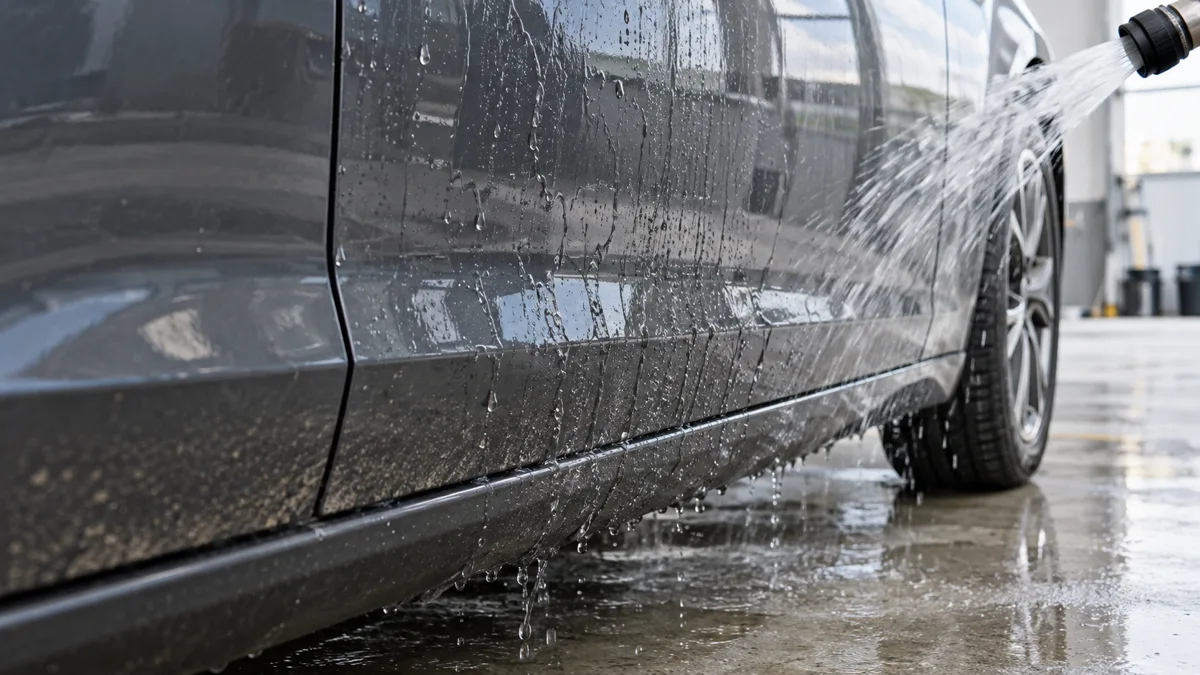
Ceramic coating not beading? Check wash residue, contamination, curing, and product guidance before paying for a replacement coating.

Check whether wax suits your ceramic coating, compare real maintenance products, and learn what to do if you already added an unapproved topper.
Get the latest updates on ceramic coating technology, tips, and exclusive offers delivered to your inbox.