

Can You Ceramic Coat a Golf Cart? What Owners Need to Know (2026)
Yes, you can ceramic coat a golf cart. Here is what it costs, how long it lasts, and whether it makes sense for your cart based on how and where you use it.
What is ceramic coating and how does it work? We explain ceramic coating in simple terms - what it does, how long it lasts, and whether you need it.
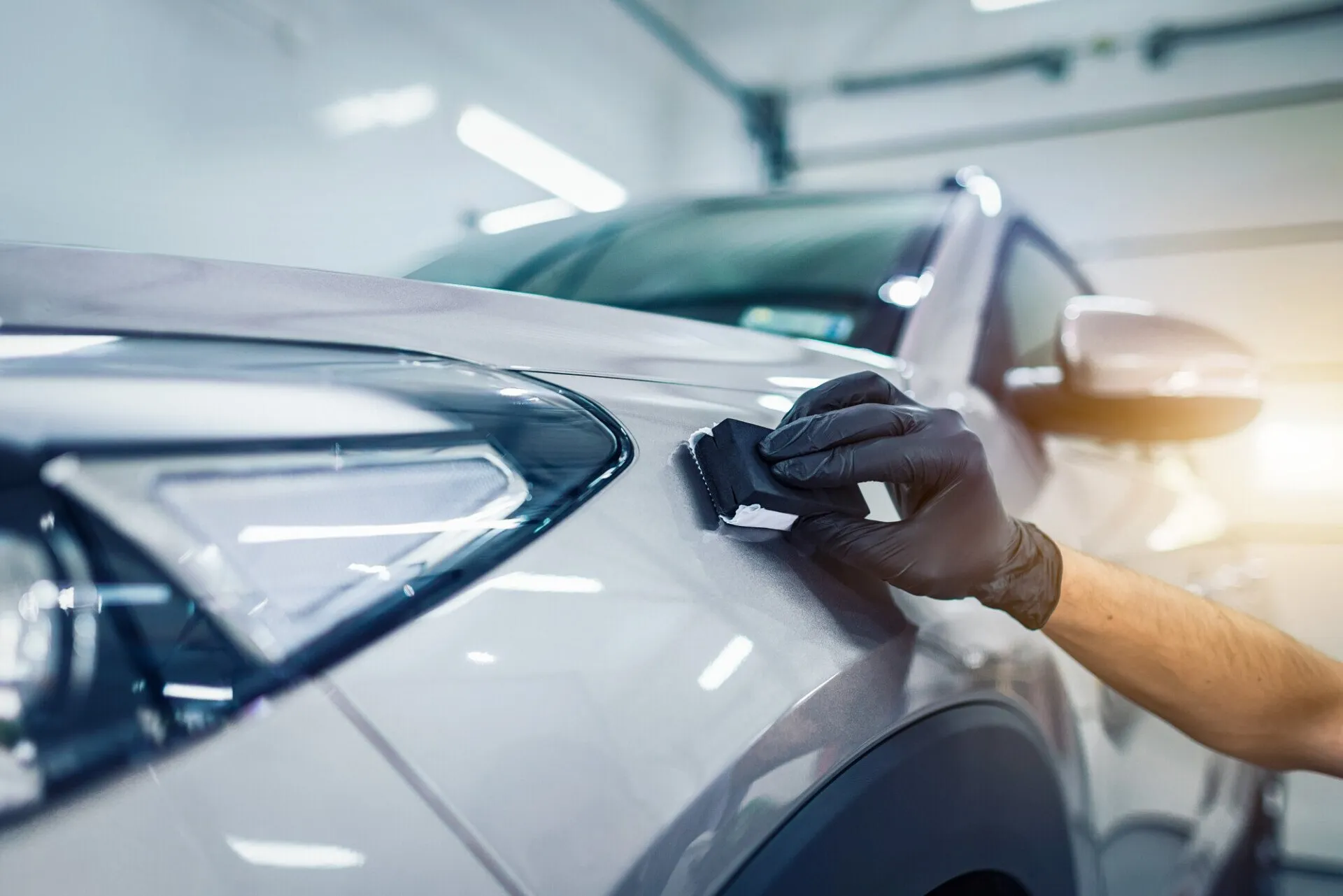
Ceramic coating is a liquid that you apply to your car's paint. When it cures, it forms a hard, protective layer that bonds to the surface.
Think of it like a second skin for your paint. It's way more durable than wax, lasts for years instead of weeks, and makes your car easier to clean.
The "ceramic" part comes from silicon dioxide (SiO2) - the same stuff found in sand and glass. When applied correctly, it creates a glass-like shield over your paint that repels water, blocks UV rays, and resists chemicals.
If you've ever seen a car where water beads up into tight little droplets and rolls right off - that's ceramic coating at work.
Regular wax sits on top of your paint. It doesn't bond to anything - it's just a layer that eventually washes or wears away.
Ceramic coating is different. When you apply it, the liquid fills the tiny pores in your clear coat. As it cures (hardens), it forms chemical bonds with the paint itself. The coating becomes part of the surface, not just something sitting on top.
The science in simple terms:
This bond is why ceramic coating lasts years instead of weeks. You can't just wash it off - you'd have to polish or compound it away to remove it.
Why "hydrophobic"? Ceramic coating creates a surface that repels water. When water hits it, the droplets bead up into tight balls and roll off, taking dirt with them. This is why coated cars stay cleaner longer and are easier to wash.
Ceramic coating provides real protection, but it's not magic. This is what it actually does and doesn't do:
The key thing to understand: ceramic coating is a chemical barrier, not a physical one. It protects against things that would damage your paint chemically (UV, acid, contaminants) but not things that damage it physically (impacts, deep scratches).
For physical protection, you'd want paint protection film (PPF).
Durability depends on the product quality and how well you maintain it:
| Coating Type | Typical Lifespan | Notes |
|---|---|---|
| Spray ceramic (DIY) | 3-6 months | Easy to apply, entry-level protection |
| Consumer ceramic (DIY) | 1-2 years | Better durability, requires more skill |
| Professional ceramic | 3-5 years | Quality products, proper application |
| Premium professional | 5-10 years | Top-tier products like Ceramic Pro, Gtechniq |
The numbers above assume proper maintenance - regular washing with pH-neutral soap, no automatic car washes, and occasional decontamination.
For a deeper dive into durability, check out our guide on how long ceramic coating lasts.
If you're used to waxing your car, ceramic coating is a big upgrade - but it's also more expensive and involved.
Bottom line: Wax is cheaper and easier but needs constant reapplication. Ceramic coating costs more upfront but protects better and requires less ongoing work.
For the full comparison, read our ceramic coating vs wax guide.
Prices vary based on your car's size, the coating quality, and whether your paint needs correction first.
Typical price ranges:
DIY ceramic coating kits cost $50-150 but require skill to apply correctly and don't last as long.
Most of the cost goes to labor - paint preparation, decontamination, and careful application. The coating product itself is a small part of the total price.
For a complete breakdown, see our ceramic coating cost guide.
Getting ceramic coating isn't a quick spray-and-go thing. Proper application takes 1-3 days and involves multiple steps:
Remove all dirt, grime, and loose contamination
Clay bar and chemical treatment to remove embedded contaminants
Machine polish to remove swirls, scratches, and oxidation
Alcohol wipe to remove any oils or residue
Apply ceramic coating panel by panel, wipe off before it hardens
Let the coating cure for 24-48 hours in a controlled environment
The prep work is critical. Ceramic coating locks in whatever is underneath it - if your paint has swirls or contamination, the coating seals that in permanently.
Ceramic coating is great, but it's not for everyone. A quick way to decide:
For a deeper analysis, read our guide on whether ceramic coating is worth it.
Let's clear up some misconceptions:
It resists light scratches and swirls, but deep scratches from keys or impacts will still damage it.
Your car stays cleaner longer and is easier to wash, but it still needs regular washing.
9H is a pencil hardness scale, not a measure of real-world durability. It's mostly marketing.
It's semi-permanent. It lasts years, but eventually wears down and needs reapplication.
Consumer products are weaker, and improper application can ruin results. Professional coatings last longer and perform better.
Ready to learn more or get your car coated? Check out these guides:
If you want to understand the value:
If you want to know the cost:
If you're comparing options:
If you're ready to get quotes:
Ceramic coating is a liquid polymer that bonds to your paint and creates a durable, protective layer. It lasts years instead of weeks, makes your car easier to clean, and protects against UV rays, chemicals, and light scratches.
It's not scratch-proof or maintenance-free, but it's a major upgrade over traditional wax for anyone who wants lasting protection and less upkeep.
If you're considering it, the best time to coat is when your paint is in good condition - either on a new car or after paint correction on an older one.
Yes, you can ceramic coat a golf cart. Here is what it costs, how long it lasts, and whether it makes sense for your cart based on how and where you use it.

Is ceramic coating worth the money? We break down the real pros and cons, costs vs benefits, and help you decide if it makes sense for your car.

Ceramic coating vs PPF - which is better for your car? Compare costs, protection, and durability to find the right choice for you.
Get the latest updates on ceramic coating technology, tips, and exclusive offers delivered to your inbox.