
Ceramic Coating for Chrome
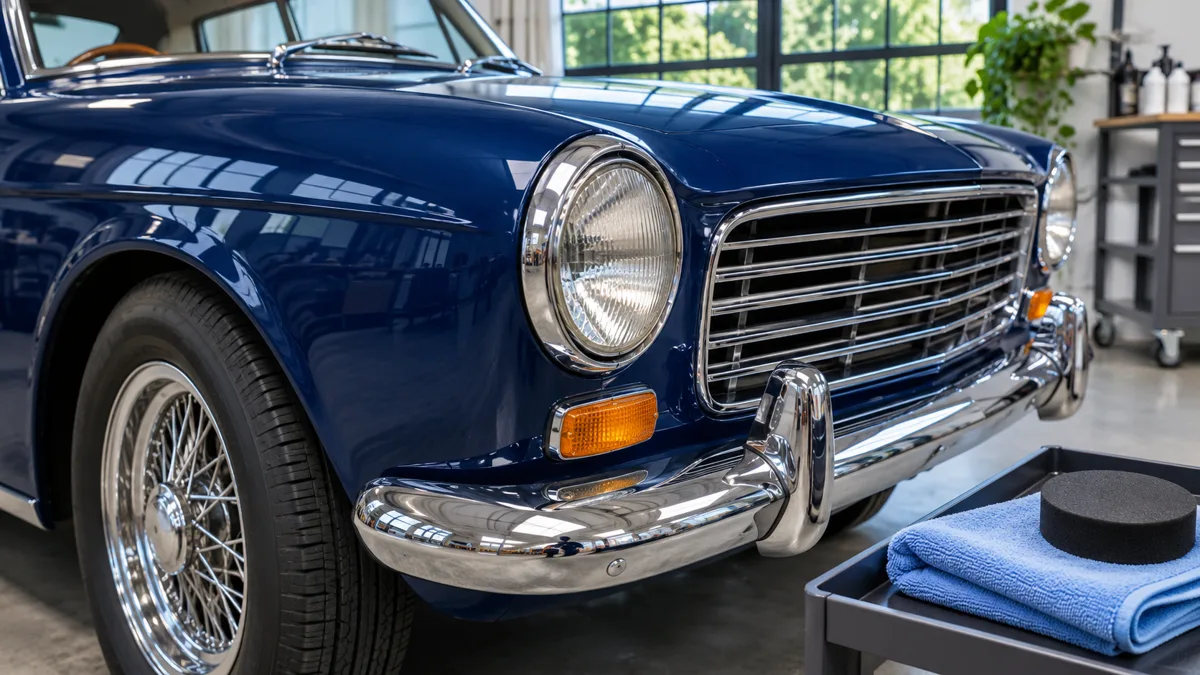
Ceramic coating for chrome is an option when the product explicitly supports the finish on the part you want treated. Start by identifying that finish: a chrome wheel, exposed polished metal and bright plastic trim need separate compatibility decisions. Ask for the coating name and the included parts before accepting a whole-car package.
Gtechniq's C5 instructions make the distinction concrete: they accept chrome but exclude polished metals. GYEON's Rim EVO guidance includes polished wheels. A shiny appearance alone cannot choose the bottle.
Ceramic coating for chrome: two products compared
The manufacturer instructions below answer a useful shopping question: does the proposed product cover the finish, and does its application fit the job?
| Decision | Gtechniq C5 Wheel Armour | GYEON Q² Rim EVO |
|---|---|---|
| Chrome compatibility | Accepts chrome surfaces. | GYEON USA explicitly includes chrome wheel finishes. |
| Exposed polished wheel finish | Excludes polished metals. | Global product FAQ includes polished wheels. |
| Leveling step | Buff residue within 30–60 seconds. | Global instructions specify wiping within 10–30 seconds. |
| Planning detail | Requires 12 hours indoors before exposure to the elements. | Global preparation instructions specify a 15-minute wait after Q²M Prep. |
Sources: Gtechniq C5 instructions, GYEON global Rim EVO instructions and GYEON USA's chrome-wheel guidance.
The practical result is a two-part check. First match the product to the finish; then follow that product's complete preparation, leveling and curing sequence. The timing rows serve different purposes. A preparation wait is not a curing period, and the shorter wipe-off window is not permission to expose a coating to rain sooner.
For a wheel installation, use our wheel-coating guide to define faces, barrels and access. For a bumper or window surround, ask the supplier to confirm that particular part and finish before extending wheel instructions to it.
Identify what the shop will actually coat
Bring the vehicle's part information or the wheel manufacturer's finish description. If a replacement part has been fitted, include its supplier and model. Have the installer list the finish for each proposed area instead of writing only “all chrome.”
Use this intake list:
- Which parts are chrome-plated, painted, clear-coated or exposed polished metal?
- Which bright trim pieces still need their material and surface finish identified?
- Does each selected coating support that finish and application?
- Which adjacent seals, plastics or textured sections are excluded?
Do not use a metal polish or abrasive pad as a way to identify an unknown finish. Have the part identified before selecting preparation products. For unpainted textured cladding, use the separate plastic-trim coating guide.
A quote with unresolved finish identification should leave those parts uncoated until the installer answers the question. That is more useful than paying for a broadly worded package that never names the surfaces.
Agree on repair and polishing before protection
Inspect the clean parts together. Photograph peeling, pits, staining, scratches and any uneven areas. Ask which defects the proposed preparation will address and which will remain when the job is finished.
Put repair or refinishing on its own line in the quote. A coating application does not specify repair of damaged plating. If the installer proposes polishing, get the method and intended result for that particular finish in writing. A process chosen for painted bodywork should not automatically become the preparation method for every bright part.
An inconspicuous application sample also gives you a defined appearance to approve. Ask where it will be applied and when you can inspect it after the product's instructed drying period. Keep photos of the agreed result with the quote.
If the main job includes bodywork correction too, our paint-correction guide helps separate that work from the coating charge.
Make the quote specific enough to compare
When comparing coating shops, request a short parts schedule alongside the paint package:
| Quote field | What to record |
|---|---|
| Included parts | Individual trim pieces, bumper sections or wheel areas. |
| Finish and condition | The identified finish plus existing defects. |
| Preparation | Cleaning, removal of old products, and any separately agreed polishing or repair. |
| Coating | Exact product and version for each finish. |
| Handover | Indoor cure arrangements, collection time and first-wash instructions. |
| Follow-up | Who assesses uneven residue or a result that differs from the agreed sample. |
Ask whether wheel removal is included when barrels are part of the job. If a bumper or trim piece needs removal, have the installer explain whether that work is included and who handles reinstallation. Those are scope questions, not reasons to assume a coating bottle price represents the installed cost.
Use our installer-selection questions when comparing the preparation and handover plans. Choose DIY only when you can identify the finish, access the intended surfaces and provide the required workspace and drying time.
Care after application
Keep the named product's aftercare instructions with the invoice. GYEON's global Rim EVO FAQ specifies pH-neutral shampoo and avoiding strong acidic or alkaline cleaners. Follow the coating provider's instructions for the product installed on your parts.
For the rest of the vehicle, use the coated-car washing guide. Tell anyone washing the car which parts have been coated and which cleaners the installer specified. If an area develops haze or persistent marks, send the installer photos and a list of products already used before trying a corrective polish.
Chrome coating questions
Can I use C5 on polished aluminum because it looks like chrome?
C5's instructions exclude polished metals. Confirm the actual finish and select a product that explicitly supports it; GYEON's global Rim EVO FAQ lists polished wheels.
Does a chrome-wheel recommendation cover window trim?
Get confirmation for the actual trim finish and part. A wheel compatibility statement does not identify what is on your window surround. Record that answer before application.
Should I coat peeling chrome?
Have the damage assessed and agree on repair or replacement first. Do not accept a coating line item as the repair plan. Once the finish work is defined, ask which coating is compatible with the resulting surface.
Stay Updated with Ceramic Coating News
Get the latest updates on ceramic coating technology, tips, and exclusive offers delivered to your inbox.