
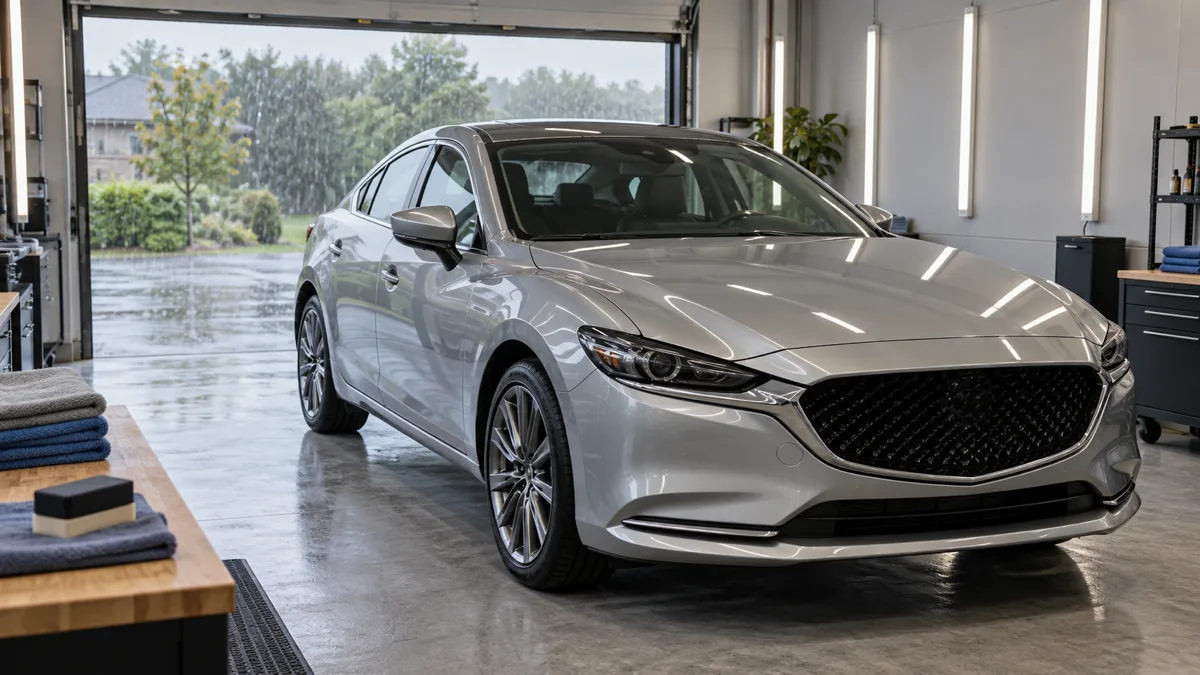
Ceramic Coating Curing Time
Ceramic coating curing time varies by product. Compare manufacturer rules for water exposure and the first wash, and plan pickup and rain protection.
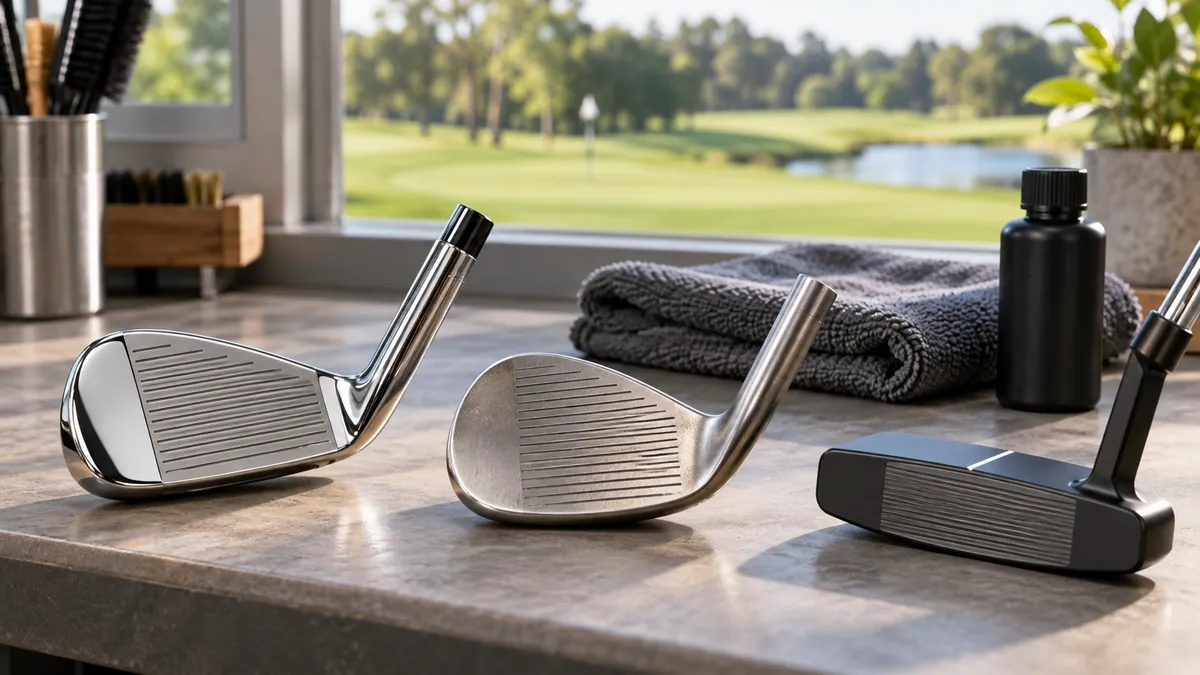
Can you ceramic coat golf clubs? A coating on a club is not automatically against the Rules of Golf, but that does not make an automotive ceramic coating a good choice for every club or surface. The striking face has equipment requirements, and a product advertised for car paint or wheels has not thereby been approved for golf clubs. For a club you intend to play, identify its finish and ask the maker before treating it. Leave the face and grooves alone unless the treatment's conformity is clear.
The R&A's interpretation of Rule 4.1a distinguishes temporary substances applied to a face during a round from permanent coatings, which are assessed under the Equipment Rules. For a temporary application, the reason matters: cleaning or protecting the face may be permitted if the other rules are met, while applying something to influence the ball or help make a stroke is prohibited. The R&A's club-face requirements also address face rigidity, smoothness, and spin.
That is not a blanket ruling on every ceramic product. Coating a face or filling its grooves could raise a conformity question, depending on the resulting surface. Ask the USGA or R&A about a modified club if its conformity is uncertain. It is safer to get a ruling before playing it in competition than to assume that a very thin coating cannot matter.
Start with the exact model and generation. Golf Club Reference's model-year finder helps narrow down which club you have before you look up its maker's care advice. Then confirm the finish from the manufacturer, because clubs that look alike can have different surfaces.
One concrete example: Titleist lists four finishes for its Vokey SM10 wedge: Tour Chrome, Nickel, Jet Black, and Raw. It also describes a specific treatment of the impact area and grooves. Those are maker-designed finishes and treatments; they are not evidence that an aftermarket automotive coating is compatible with all four versions.
We compared current primary-source guidance on October 10, 2026. Gtechniq's C5 Wheel Armour instructions name wheels, brake calipers, and exhaust tips as intended uses. They say the product suits certain rim finishes and chrome, but not polished metals. That limitation is a useful reminder: even a product meant for metal has surface-specific instructions. Gtechniq does not list golf club heads or striking faces as an approved use for C5.
The source comparison leads to a practical order of checks:
| Surface | First check | Sensible next step |
|---|---|---|
| Face and grooves | Equipment Rules and the club maker's specifications | Avoid an aftermarket coating without a clear conformity answer. |
| Back and sole of the head | Exact model, finish, and maker care guidance | Ask the maker whether the proposed product suits that finish. |
| Shaft, grip, and inserts | Their own materials and care instructions | Clean them as separate parts; do not treat the whole club like car paint. |
This is a comparison of published guidance, not a hands-on coating test. It cannot establish adhesion, durability, warranty coverage, or conformity for a particular club and product pairing.
For routine care, PXG's club-care guide recommends gentle soap, a soft brush, and thorough drying for its irons and wedges. It gives different instructions for woods and putters, and warns against submerging its fairways and hybrids. Check your own club maker's instructions before copying another brand's method.
If you bought secondhand clubs, use Golf Club Reference's used-iron checklist to inspect the faces and grooves, sole, hosel, shafts, and grips. A coating will not tell you whether an apparently clean club has worn grooves, damaged components, or a finish that needs different care.
The ceramic coating process for a vehicle is a separate subject. Our golf-cart coating guide concerns cart body panels, not golf clubs, and our ceramic-coating basics explain products intended for car finishes.
There is no useful yes-or-no answer for every club and coating. A permanent treatment must leave the club conforming to the Equipment Rules. Ask the USGA or R&A about a specific modified club when conformity is uncertain.
Do not assume so from its performance on cars. Check the product's listed substrates and the club maker's finish guidance first. The automotive wheel product reviewed above does not list golf irons as an intended use.
No. A cart's exterior panels and a club's striking face have different jobs, materials, and rules. Treat them as separate projects.
Ceramic coating curing time varies by product. Compare manufacturer rules for water exposure and the first wash, and plan pickup and rain protection.
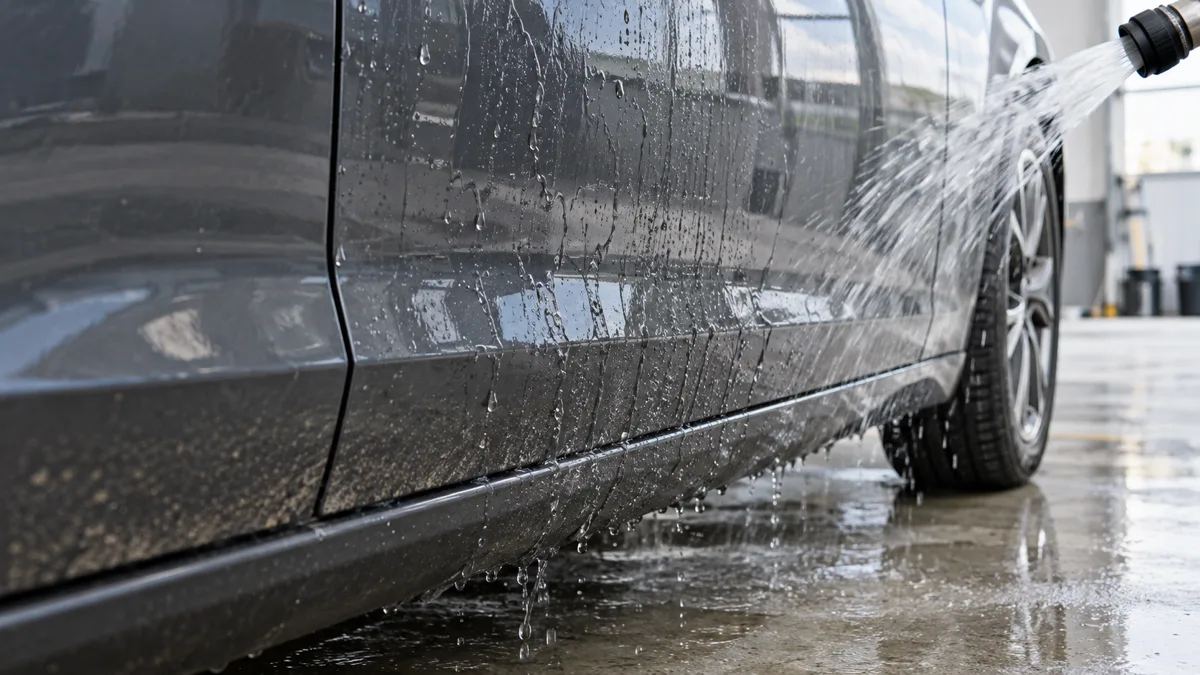
Ceramic coating not beading? Check wash residue, contamination, curing, and product guidance before paying for a replacement coating.
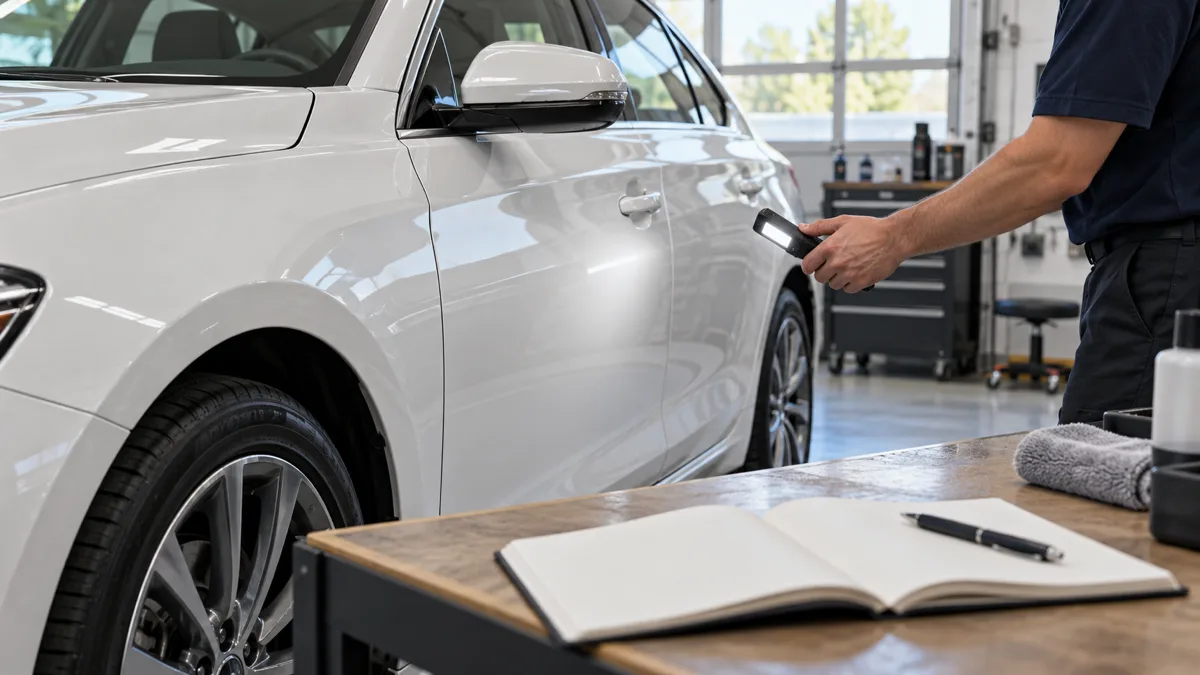
Compare ceramic coating warranty requirements, annual service rules, exclusions, and missed inspections before choosing an installer or coating package.
Get the latest updates on ceramic coating technology, tips, and exclusive offers delivered to your inbox.