
Ceramic Coating Tires: Worth It?
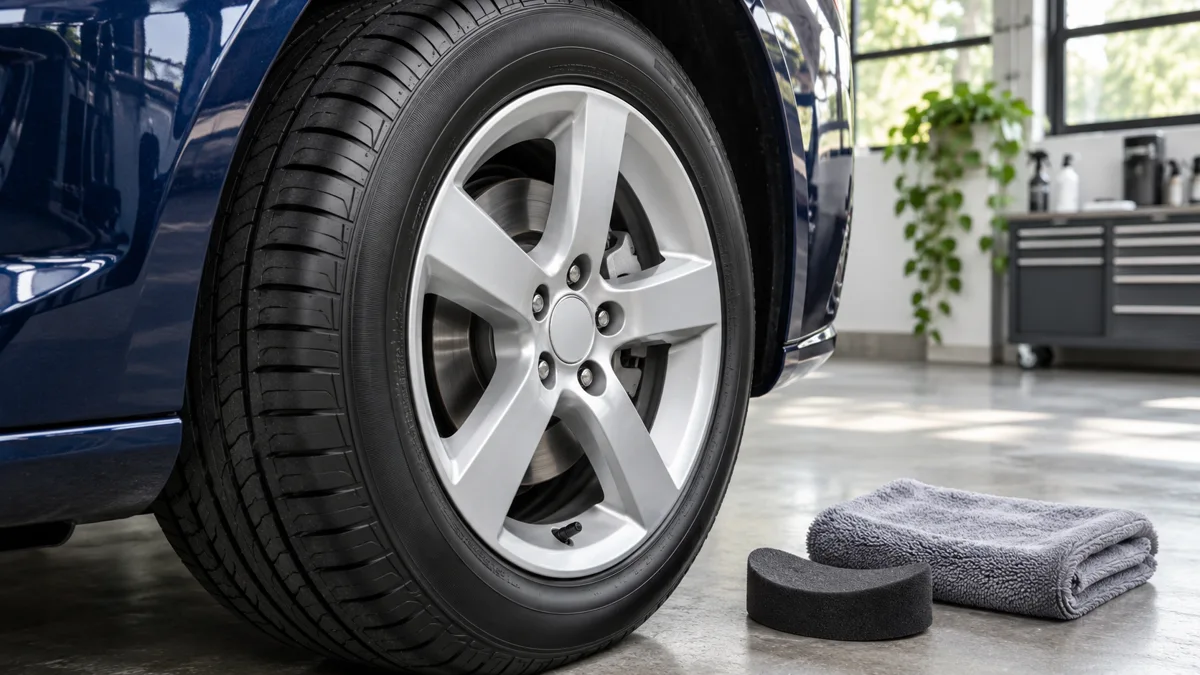
Ceramic coating tires is worth considering when you want a lasting sidewall finish and can give a rubber-specific product the preparation and drying time it needs. Choose a routine tire dressing if you prefer a quick finishing step after washing. Ask for the exact product before paying for a tire-coating add-on: a dressing, a tire sealant, and a cured rubber coating involve different work.
Keep the service separate from ceramic coating your wheels. A coated alloy rim does not establish that the rubber sidewall received a tire treatment, and a paint or wheel coating needs explicit rubber compatibility before it belongs on a tire.
Ceramic Tire Coating vs Dressing
The useful distinction is the application process, rather than the word “ceramic” on a package. Compare four named options:
| Product | How the supplier describes it | Preparation and timing that affect your choice |
|---|---|---|
| CARPRO CQUARTZ BlackOut 2.0 | Rubber and tire coating | Clean with ReTyre or MultiX and dry thoroughly. The US directions specify at least 30 minutes drying between applications, at least 12 hours before adverse weather, and no soaps or chemicals for the first three days. |
| GYEON Q² Tire | SiO2-based tire sealant | Remove old dressings and contamination; use fully dry rubber. Let the tires cure before driving. |
| GYEON Q²M Tire Express | Everyday water-based dressing | Apply to clean rubber, wet or dry; spread, level, and remove excess as needed. Let the tire dry before driving. |
| Gtechniq T2 | Tire dressing for use after washing | Clean and dry first, apply with a pad, and remove excess. An optional second application for gloss follows a 10-minute wait. |
The comparison exposes a practical split: Tire Express permits wet application, while the other three specify dry preparation. BlackOut's US page also provides separate weather and chemical holds. If you need to leave immediately after a wet driveway wash, those differences matter more than a label promising extra shine.
GYEON describes Q² Tire as a sealant between a conventional dressing and a coating. Its own range therefore gives you a middle option when you want more preparation than an everyday dressing without choosing BlackOut's process. Choose the finish and workflow you will maintain.
What to Ask Before Booking Tire Protection
Get a separate tire line item in the quote. Ask the shop to name the product, identify the treated sidewalls, and explain how it removes the previous dressing. “Wheels protected” leaves both the rubber treatment and the rim coverage unclear.
For a coating with an extended drying period, arrange covered storage and pickup before booking. BlackOut 2.0's US instructions, for example, make the first three days of washing part of the plan. A same-day wash booking immediately after the treatment would conflict with those directions.
Use these questions to compare quotes:
- Which tire product is included, and what finish will it leave?
- Does the price include cleaning away the old dressing and drying the rubber?
- When can I drive, expose the tires to rain, and wash them with cleaner?
- What will the shop do if the finish dries unevenly?
- Is future tire dressing included in maintenance visits or charged separately?
Our installer-selection guide covers the broader paint-protection package. Compare tire work on its own merits rather than assuming every exterior add-on belongs in the purchase.
Apply to the Sidewall With Control
Use an applicator to keep the treatment on the intended sidewall. CARPRO's BlackOut directions specify the tire wall; Gtechniq describes pad application and removal of excess. Avoid spraying the whole wheel assembly or spreading product over tread and brake components.
Do not transfer car-tire instructions to a motorcycle. CARPRO's US BlackOut page excludes motorcycle tires; Gtechniq T2 excludes both motorcycle and bicycle tires. Our motorcycle coating guide separates suitable exterior surfaces from components that need to stay untreated.
For DIY work, read the instructions supplied with your chosen product before cleaning. Set aside the required drying space, keep separate applicators for rubber and paint, and use a thin, controlled application. Adding more product to chase gloss can leave excess that still needs removal.
Maintain the Finish You Paid For
Keep the product name and aftercare instructions with your service receipt. Ask which cleaner to use after the initial hold and whether topping it with another dressing is part of the intended maintenance routine. Stacking an unknown product over an uneven finish makes it harder for the installer to assess the original application.
During your regular coated-car wash, inspect the tires separately from the rims. If you want to change the finish, ask about removal and preparation before buying a second treatment. A quick dressing may suit your routine better than paying for a coating process you cannot accommodate.
Tire Coating Questions
Can I use leftover paint coating on tires?
Choose a product that explicitly permits tire rubber. The four options above have tire-specific instructions; a paint coating's suitability for clear coat does not answer the rubber question.
Does a wheel-coating package include the tires?
Ask for both surfaces to be itemized. Rim coating and tire treatment use different preparation and products, so the package name alone does not establish what is included.
Which option suits a quick wash routine?
Tire Express permits application to wet or dry clean rubber, followed by drying before driving. T2 starts with dry tires. Compare those steps with the longer weather and chemical holds listed for BlackOut before choosing your routine.
Stay Updated with Ceramic Coating News
Get the latest updates on ceramic coating technology, tips, and exclusive offers delivered to your inbox.