

Ceramic Coating Curing Time
Ceramic coating curing time varies by product. Compare manufacturer rules for water exposure and the first wash, and plan pickup and rain protection.
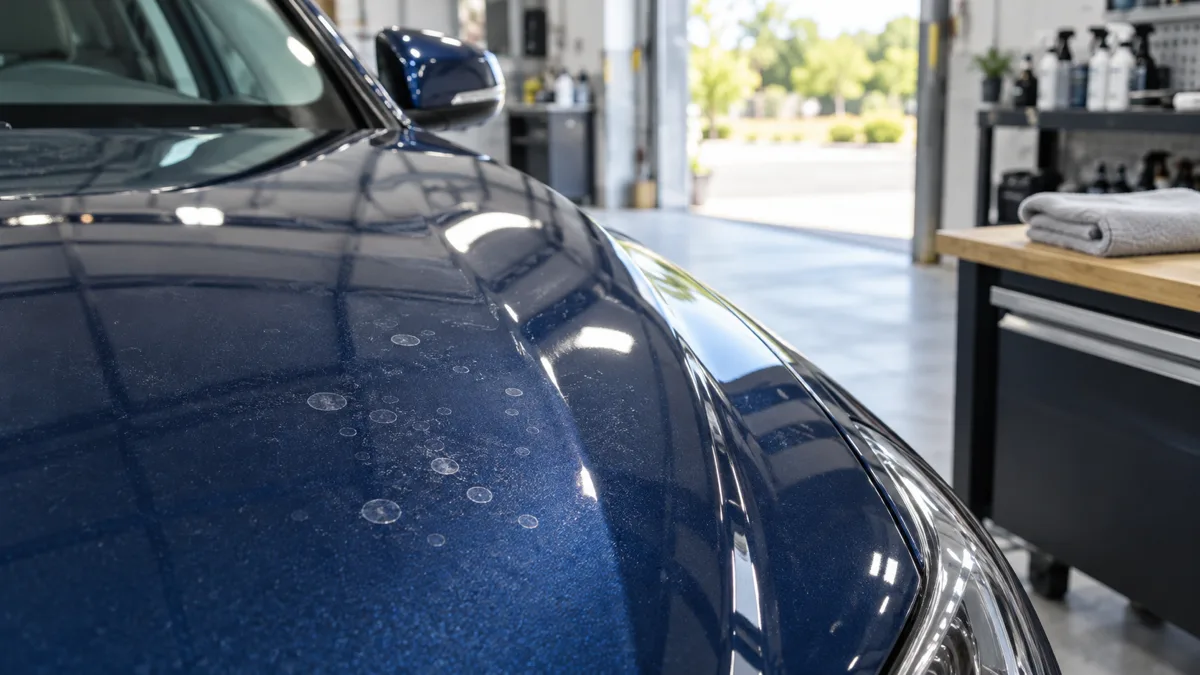
Water spots on ceramic coating can be mineral deposits left after water dries. A normal wash may remove light residue; remaining spots may need a compatible water-spot remover or professional correction. Before using chemicals, identify the coating and confirm that it has finished curing. The remover's instructions and the coating's aftercare rules both matter.
A coating does not make drying tap water harmless. Water can leave minerals behind, and a visible ring does not tell you how deeply the surface is affected. Gtechniq's water-spot guide distinguishes surface deposits from etched marks that may require paint correction.
Start by asking what happened: sprinkler exposure, an unfinished wash, or water drying on a warm panel? Then inspect after an approved wash. A mark that survives cleaning needs assessment; its appearance alone is not a reliable depth measurement.
This guide concerns coated paint. Glass, matte paint, wraps, and trim need their own compatibility checks. Do not extend a painted-bodywork instruction to every surface on the vehicle.
We reviewed two deliberately selected manufacturer examples on October 10, 2026: Gyeon Q²M WaterSpot and Gtechniq W9. The comparison checks stated coating compatibility and treatment instructions. It is a document review, not a test of removal performance or a ranking of all products.
| Published guidance | What it says | What changes your decision |
|---|---|---|
| Gyeon Q²M WaterSpot | Compatibility depends on the coating. The FAQ says not to use it on fresh coatings because performance may be permanently reduced. | A water-spot remover is not automatically suitable during curing, even when its product page discusses coated cars. |
| Gtechniq's W9 instructions | Gtechniq describes W9 as compatible with existing ceramic coatings and directs users to treat small areas with a microfiber towel. | Use the instructions for this product; do not borrow another remover's dwell time or finishing method. |
The useful distinction is compatibility, not which bottle has the strongest advertising. Check the named coating, its age, the intended surface, and the current product label before proceeding.
Get the application date and exact product from your installer or receipt. If the coating is fresh, contact the installer before a full wash or spot treatment. Our ceramic coating curing time comparison explains why a single waiting period does not fit every coating.
For a coating cleared for washing, remove loose dirt with the approved shampoo and wash method, then dry the paint. Gtechniq recommends this preparation before targeted treatment. Our coated-car washing guide covers the routine wash.
Inspect a clean, cool panel in shade. Photograph the marks before treatment, particularly if the installer may need to assess them later.
Choose a product whose manufacturer and your coating provider permit the application. Check dilution, treatment area, dwell time, rinsing, and surface exclusions. Test a small inconspicuous area as directed. Do not mix cleaners or let a product dry while you work.
The finishing step is product-specific too. Gyeon lists rinsing or wiping with Q²M Prep; Gtechniq's W9 guide describes following with its Quick Detailer. Those instructions are not interchangeable recipes for an unknown coating.
More scrubbing is not a diagnosis. Persistent spots may require correction, and abrasive work changes the coated surface. Ask the installer whether the affected panel needs polishing and renewed protection before authorizing the job. Include the coating name, photos, and products already used.
You can compare ceramic coating shops if the original installer is unavailable. Use our installer-selection questions to ask about assessment and the scope of any correction.
Work on cool paint in shade, dry promptly after an approved wash, and avoid parking in sprinkler overspray. These are practical prevention steps in Gtechniq's guidance. Drying matters even when water beads attractively: droplets left on the panel can still evaporate there.
If water behavior has changed as well, follow the separate ceramic coating not beading guide. Poor beading and visible mineral marks can occur together, but neither proves the entire coating has failed.
Do not make a household vinegar mixture your default. Some manufacturers discuss it for specific situations, but that does not establish compatibility with your coating or a fresh application. Ask for the approved treatment for the named product.
Do not assume the coating will remain intact after abrasive correction. Have the detailer explain which surface needs correction and whether reapplication is included. Chemical deposit removal and polishing etched paint are different jobs.
Not by themselves. Establish when the marks appeared, what water exposure occurred, and whether the aftercare instructions were followed. Fresh-coating spots should be assessed by the installer before DIY treatment changes the evidence.
Ceramic coating curing time varies by product. Compare manufacturer rules for water exposure and the first wash, and plan pickup and rain protection.
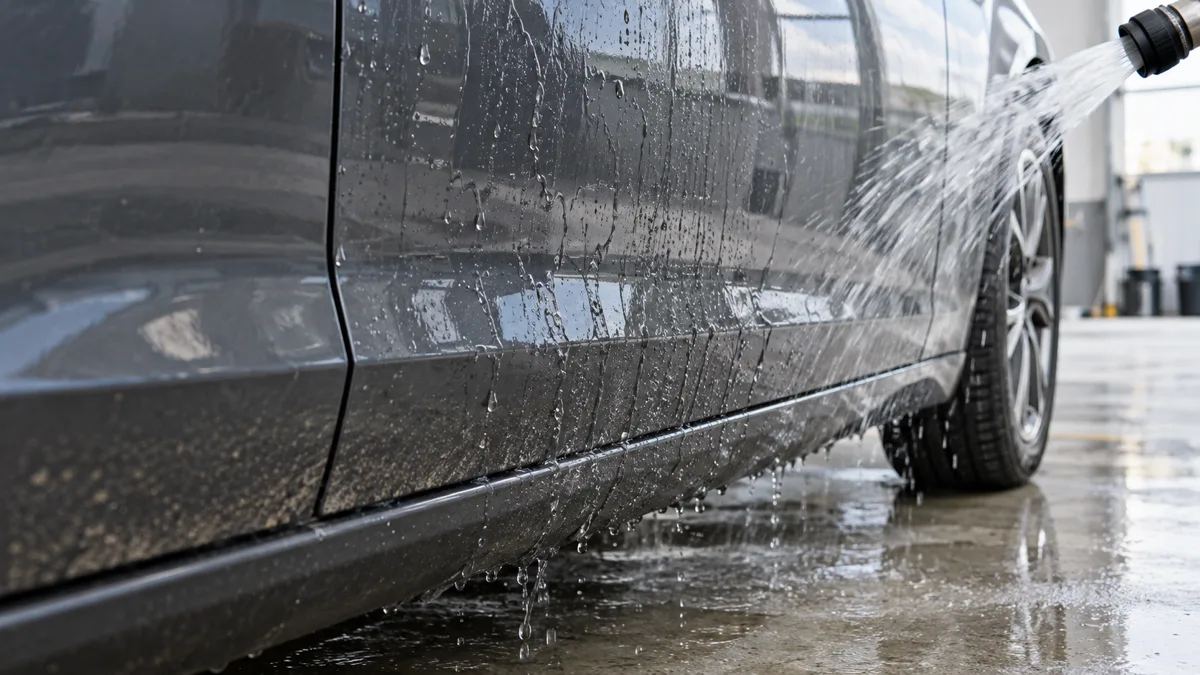
Ceramic coating not beading? Check wash residue, contamination, curing, and product guidance before paying for a replacement coating.
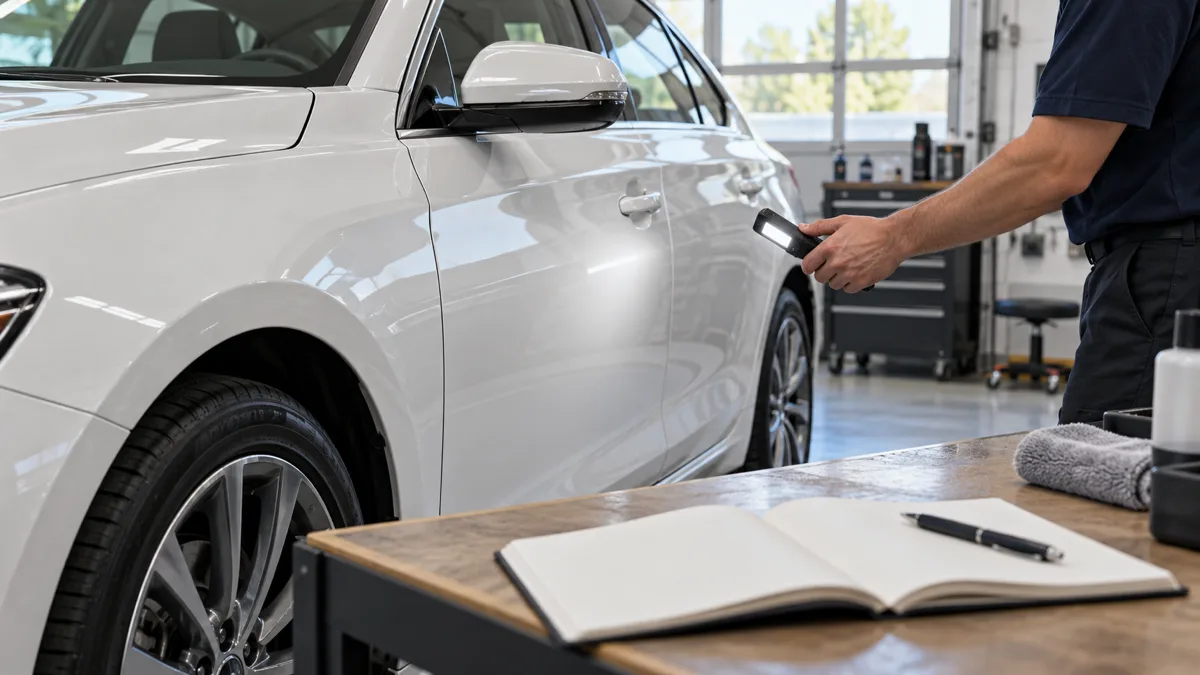
Compare ceramic coating warranty requirements, annual service rules, exclusions, and missed inspections before choosing an installer or coating package.
Get the latest updates on ceramic coating technology, tips, and exclusive offers delivered to your inbox.