
Ceramic Coating Removal: What Works?
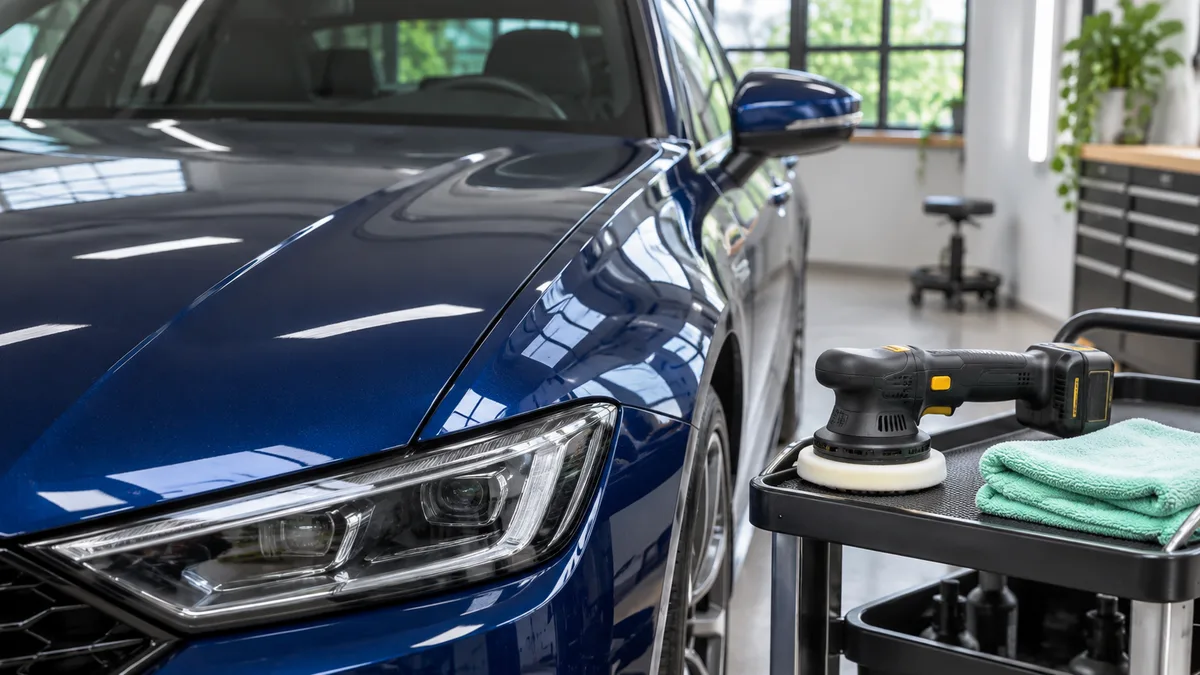
Ceramic coating removal starts with identifying the installed product and why you want it removed. Gtechniq specifies polishing for EXO removal; GYEON sells a chemical preparation product that degrades existing protection. These instructions solve different jobs. Choose a method for the coating, surface and intended next protection rather than treating every ceramic product as interchangeable.
If your only concern is weak water beading, start with an assessment and appropriate cleaning. If you want to correct paint defects, replace an incompatible coating or repair cured application residue, ask a detailer to define the removal and renewal scope before work begins.
Ceramic coating removal methods compared
Our comparison of manufacturer instructions separates three outcomes: removing a named coating, preparing a surface for new protection, and repairing cured excess. The distinction matters when a quote simply says “strip and recoat.”
| Product or situation | Manufacturer direction | Decision for the vehicle owner |
|---|---|---|
| Gtechniq EXO | Polishing is specified for efficient removal. | A routine wash is not the manufacturer's removal method. |
| Gtechniq Crystal Serum Light cured residue | The application directions prescribe polishing the affected area and applying CSL again. | A localized defect can require localized correction and renewed protection. |
| Gtechniq Crystal Serum Ultra applied incorrectly | The Australian FAQ says wet sanding is required to remove an incorrect application. | Identify Ultra before agreeing to a generic polishing-only repair. |
| GYEON Q²M TotalRemover | Chemical degradation of existing protection for subsequent surface preparation. | A chemical preparation option exists; its stated bonding goal does not establish identical removal of every coating. |
The practical result is a three-part brief for your installer: name the existing layers, state the required finish, and identify the replacement protection. A method appropriate for EXO alone does not automatically describe the work needed on a vehicle with EXO over another coating.
Can you remove ceramic coating without polishing?
GYEON's TotalRemover page describes chemical degradation of coatings, sealants and factory waxes, with preparation for new protection as the goal. Its FAQ describes degradation to a certain level. That supports asking about chemical preparation where polishing is undesirable, including matte paint. It does not supply a measurement showing that every existing layer has disappeared.
There is also an actionable difference between the two GYEON pages. The global instructions give a 2–3 minute dwell after working the product; the US page describes clean, wet paint and a 30-second dwell. Match the directions to your supplied product and have the supplier resolve that difference before application. Do not combine the longer dwell from one page with the procedure from another.
For a vehicle retaining its existing protection, choose a maintenance cleaner approved for that system rather than a product sold to degrade it. If changing protection, ask the new coating supplier whether the proposed preparation satisfies its application requirements.
Does poor beading mean the coating needs stripping?
Gtechniq's Australian FAQ identifies road contamination as one reason water repellency can fall. It also distinguishes its hydrophobic top layers from the underlying base coating. That makes a water-beading observation an incomplete removal test.
Tell the shop what changed: which panels, when you noticed it, and which washes or toppers you used. Ask it to inspect the finish after cleaning before recommending removal. Our guide to a coating that stops beading covers that maintenance decision.
A fresh topper can also change what you see on the surface. Keep the installed-product record and maintenance history with the car so the next detailer does not have to infer the layer stack from water alone.
When polishing belongs in the job
Polishing may be required by the installed coating's removal instructions or by the paint correction you want. Define those goals separately. Removing old protection and improving swirls are distinct tasks even when the same visit handles both.
For conventional gloss paint, request an inspection and a small test area to establish the correction approach before committing to whole-car work. Ask which defects the shop expects to improve and which it will leave. Our paint correction guide explains how to discuss that scope.
For isolated application residue, photograph the area and contact the installer first. The CSL example above calls for correction and reapplication; it does not establish a need to strip every panel. See the high-spots guide for identifying that situation.
For matte paint, PPF, wraps or trim, identify the actual substrate before selecting a process. Do not transfer a gloss-paint polishing plan to a surface whose appearance or material needs a different approach. Start with the matte-paint guide when preserving an unpolished finish is central to the job.
What to ask a removal and recoating shop
Use these questions when comparing coating shops:
- Which coating and top layers are currently installed, and how will you identify an unknown product?
- Is the job cleaning, chemical preparation, coating removal, paint correction or a combination?
- Which panels need treatment, and what surface conditions affect the method?
- What will establish that the surface is ready for the chosen replacement product?
- Does the quote include renewed protection on every treated area and the relevant curing instructions?
- If this repairs an installation defect, who covers the correction and reapplication?
Keep that scope with the invoice. “Removal included” is much easier to compare when both shops have described the same panels, finish goal and replacement system.
Stay Updated with Ceramic Coating News
Get the latest updates on ceramic coating technology, tips, and exclusive offers delivered to your inbox.